

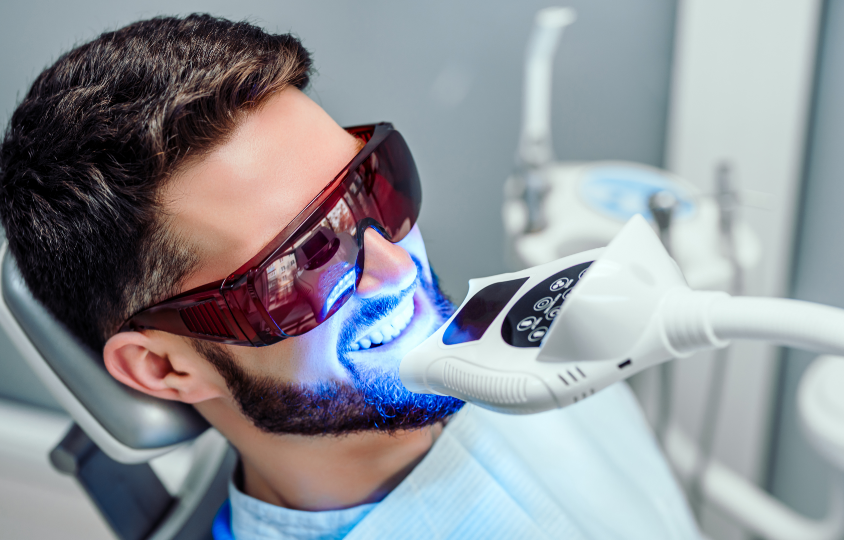
A bright, white smile can instantly boost your confidence—but for some, the thought of post-whitening sensitivity can be a little intimidating. Tooth sensitivity after whitening isn’t uncommon, especially with over-the-counter products that use harsh bleaching agents. However, professional teeth whitening treatments are carefully formulated and administered to minimize or completely prevent sensitivity. With the right care and precautions, you can enjoy a radiant smile comfortably and safely.
Why Teeth Can Feel Sensitive After Whitening
To understand how to prevent sensitivity, it helps to know why it happens in the first place. Whitening treatments work by using peroxide-based gels that penetrate the enamel to break down stains. During this process, some people may experience temporary irritation of the tooth’s inner layer, known as dentin, or mild dehydration of the enamel. This can make teeth feel sensitive to temperature changes or certain foods and drinks.
The good news? This discomfort is usually mild, short-lived, and entirely avoidable with the right products and professional care.
The Benefits of Professional Whitening
Professional teeth whitening treatments offered by your dentist are designed to deliver dramatic results while protecting your teeth and gums. Unlike store-bought whitening kits, professional whitening solutions are customized to your needs and use lower, controlled concentrations of bleaching agents applied safely by trained professionals.
Your dentist may use protective gels or custom trays that shield your gums from irritation and ensure even whitening across your teeth. Because of this personalized approach, professional whitening treatments rarely cause sensitivity. In many cases, patients experience no discomfort at all—just a brighter, more confident smile.
Tips to Prevent Sensitivity After Whitening
If you’re planning to whiten your teeth or have recently had the treatment done, here are some simple ways to avoid sensitivity and keep your smile feeling comfortable:
- Use toothpaste for sensitive teeth – Products containing ingredients like potassium nitrate or stannous fluoride help block nerve pathways that cause sensitivity. Begin using a desensitizing toothpaste a week before your whitening treatment for best results.
- Avoid very hot or cold foods – Extreme temperatures can aggravate sensitivity. Stick to lukewarm foods and drinks for the first 24–48 hours after treatment.
- Skip acidic or sugary foods temporarily – Beverages like soda, citrus juices, and coffee can weaken enamel and worsen sensitivity immediately after whitening.
- Maintain gentle brushing habits – Use a soft-bristled toothbrush and fluoride toothpaste to strengthen enamel and avoid excessive pressure when brushing.
- Avoid overusing at-home whitening products – Whitening too frequently or layering multiple products can strip enamel and increase discomfort. Always follow your dentist’s recommendations.
- Stay hydrated – Drinking water helps maintain saliva flow, which naturally protects enamel and reduces irritation.
If you still experience sensitivity after whitening, your dentist can provide professional treatments such as fluoride varnishes or desensitizing gels to quickly relieve discomfort.
How to Keep Your Smile Bright and Comfortable
Sensitivity after whitening is usually temporary and easily managed with the right care. By choosing professional treatment and following your dentist’s instructions, you can achieve stunning, long-lasting results without discomfort. For most patients, the benefits of a whiter smile far outweigh the minimal risks of sensitivity.
A bright, confident smile should feel as good as it looks—and with proper aftercare, it will.
About the Practice
Bell Road Dental Care of Phoenix offers professional teeth whitening services that safely and effectively remove stains for a brilliantly white smile. Our skilled team uses advanced whitening technology and protective techniques to ensure your comfort every step of the way.
Call us at (602) 404-3483 or request an appointment online.