

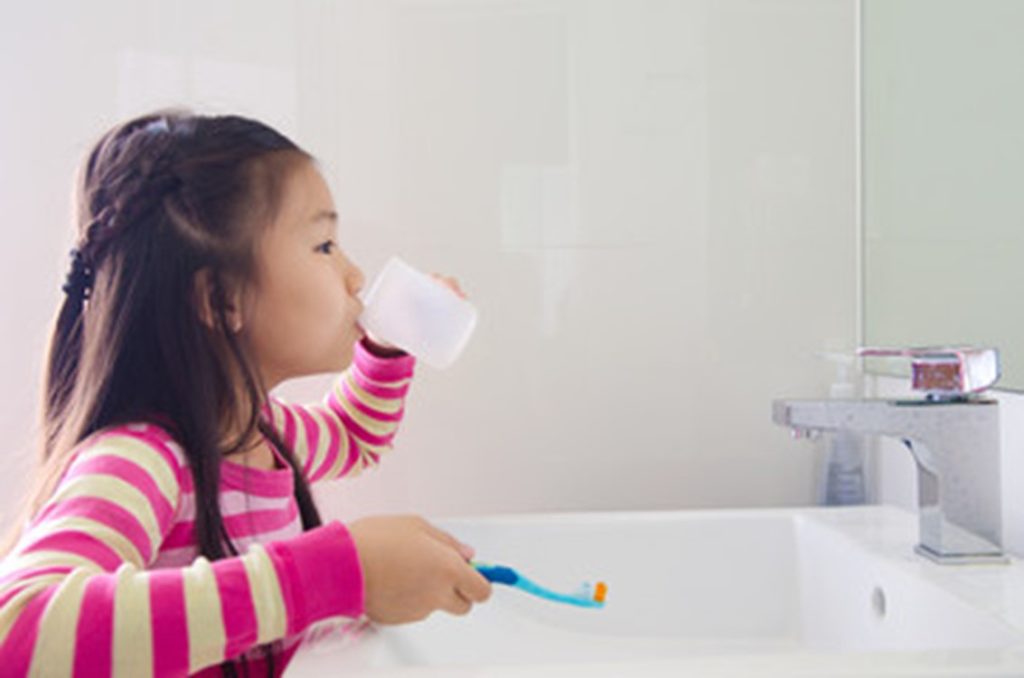
When it comes to keeping your mouth sparkling clean and healthy, regular oral hygiene is essential—and this includes brushing your teeth twice a day! But what are you supposed to do after you’ve finished brushing and all that excess toothpaste is still swirling around your mouth? Are you supposed to rinse your mouth out with water or just leave it be? Here’s everything you need to know about rinsing your mouth after brushing, and why you might want to re-evaluate your own habits.
The Importance of Fluoride
Fluoride is essential for keeping your teeth healthy and white; this naturally occurring mineral is found in many of the foods you eat and is also often added to drinking water and oral hygiene products. Fluoride re-mineralizes the enamel on your teeth, helping to fortify and safeguard them from decay. This also helps to protect them from the daily wear and tear of biting and chewing. However, fluoride needs to be in direct contact with your teeth for several minutes to be most effective!
Is It Okay to Rinse After Brushing?
There isn’t a yes or no answer here—ideally, you want to give the fluoride in your toothpaste a chance to sit on your teeth for a few minutes to maximize its potential. So, if you’re rinsing out your mouth immediately after brushing, you’re washing away the ingredient that is meant to help you. Even using a mouthwash after brushing can still wash away much of the heavily concentrated fluoride from your toothpaste.
The U.K.’s Oral Health Foundation recommends that, instead of rinsing your mouth out after brushing, you should simply spit out any excess toothpaste or saliva. They also recommend waiting at least 10 minutes before eating or drinking anything.
However, if you simply cannot resist the urge to rinse your mouth after brushing, there are still some benefits to the habit:
- It helps to wash away excess bacteria that might still be present after brushing.
- It reduces the risk of swallowing excess toothpaste.
- It lessens the aftertaste of some dental cleaning products.
What Are the Risks of Not Rinsing After Brushing?
Though it’s considered safe to forgo rinsing after brushing, there are still a few side effects linked with ingesting fluoride, including:
- Abdominal pain
- Nausea
- Diarrhea
- TMJ disorders
- Fluorosis
Most dental cleaning products contain fluoride levels meant for adults, so a larger risk exists when children ingest it—but the small amount that’s found in toothpaste is usually harmless.
Are You Brushing Properly?
Regardless of whether you rinse afterward or not, it’s important to make sure that you’re brushing your teeth correctly in order to prevent cavities and other oral health complications. You should hold your toothbrush at a 45-degree angle; this allows the bristles to reach slightly under the gums. When moving the brush, you should use gentle back-and-forth strokes that aren’t too hard on the enamel. Make sure to clean the outer, inner, and chewing surface of each and every tooth.
A single brushing session should last around two minutes. This helps ensure that you’re cleaning your teeth as thoroughly as possible. It may be a good idea to set a timer so that you can be sure that you’re brushing for the correct amount of time.
In summary, there’s no consensus in the dental community about rinsing your mouth after brushing; there are advantages to doing it, but it can lessen the effect that fluoride has on your teeth. Knowing the benefits can help you make an informed decision, but ask your dentist if you’re still unsure about what you should do.
About the Practice
Bell Road Dental Care of Phoenix has proudly served patients and families in the area since 2005 under the leadership of Dr. Reza Jafari and his team. Dr. Jafari received his dental doctorate from the Boston University School of Dental Medicine; upon graduating, he was given an award for excellence in endodontics from the American Academy of Endodontists. If you have any questions for Dr. Jafari or would like to schedule an appointment, feel free to contact him online or give him a call at (602) 404-3483.3483.